Facebook
 X
X
 Pinterest
 Copy Link
What to Consider When Choosing Your Home To Retire In


As more and more baby boomers enter retirement age, the question of whether they should sell their homes and move has become a hot topic. In today’s housing market climate, with low available inventory in the starter and trade-up home categories, it makes sense to evaluate your home’s ability to adapt to your needs in retirement.
According to the National Association of Exclusive Buyers Agents (NAEBA), there are seven factors that you should consider when choosing your retirement home.
1. Affordability
“It may be easy enough to purchase your home today but think long-term about your monthly costs. Account for property taxes, insurance, HOA fees, utilities – all the things that will be due whether or not you have a mortgage on the property.”
Would moving to a complex with homeowner association fees actually be cheaper than having to hire all the contractors you would need to maintain your home, lawn, etc.? Would your taxes go down significantly if you relocated? What is your monthly income going to be like in retirement?
2. Equity
“If you have equity in your current home, you may be able to apply it to the purchase of your next home. Maintaining a healthy amount of home equity gives you a source of emergency funds to tap, via a home equity loan or reverse mortgage.”
The equity you have in your current home may be enough to purchase your retirement home with little to no mortgage. Homeowners in the US gained an average of over $9,700 in equity last year.
3. Maintenance
“As we age, our tolerance for cleaning gutters, raking leaves and shoveling snow can go right out the window. A condominium with low-maintenance needs can be a literal lifesaver, if your health or physical abilities decline.”
As we mentioned earlier, would a condo with an HOA fee be worth the added peace of mind of not having to do the maintenance work yourself?
4. Security
“Elderly homeowners can be targets for scams or break-ins. Living in a home with security features, such as a manned gate house, resident-only access and a security system can bring peace of mind.”
As scary as that thought may be, any additional security is helpful. An extra set of eyes looking out for you always adds to peace of mind.
5. Pets
“Renting won’t do if the dog can’t come too! The companionship of pets can provide emotional and physical benefits.”
Consider all of your options when it comes to bringing your ‘furever’ friend with you to a new home. Will there be necessary additional deposits if you are renting or in a condo? Is the backyard fenced in? How far are you from your favorite veterinarian?
6. Mobility
“No one wants to picture themselves in a wheelchair or a walker, but the home layout must be able to accommodate limited mobility.”
Sixty is the new 40, right? People are living longer and are more active in retirement, but that doesn’t mean that down the road you won’t need your home to be more accessible. Installing handrails and making sure your hallways and doorways are wide enough may be a good reason to look for a home that was built to accommodate these needs.
7. Convenience
“Is the new home close to the golf course, or to shopping and dining? Do you have amenities within easy walking distance? This can add to home value!”
How close are you to your children and grandchildren? Would relocating to a new area make visits with family easier or more frequent? Beyond being close to your favorite stores and restaurants, there are a lot of factors to consider.
Bottom Line
When it comes to your forever home, evaluating your current house for its ability to adapt with you as you age can be the first step to guaranteeing your comfort in retirement. If after considering all these factors you find yourself curious about your options, let’s get together to evaluate your ability to sell your house in today’s market and get you into your dream retirement home!
Location Location Location!
Location is the driving force for value in real estate. I always tell the joke that I failed the final exam in Realtor School because I answered “Location Location.” Feel free to groan.
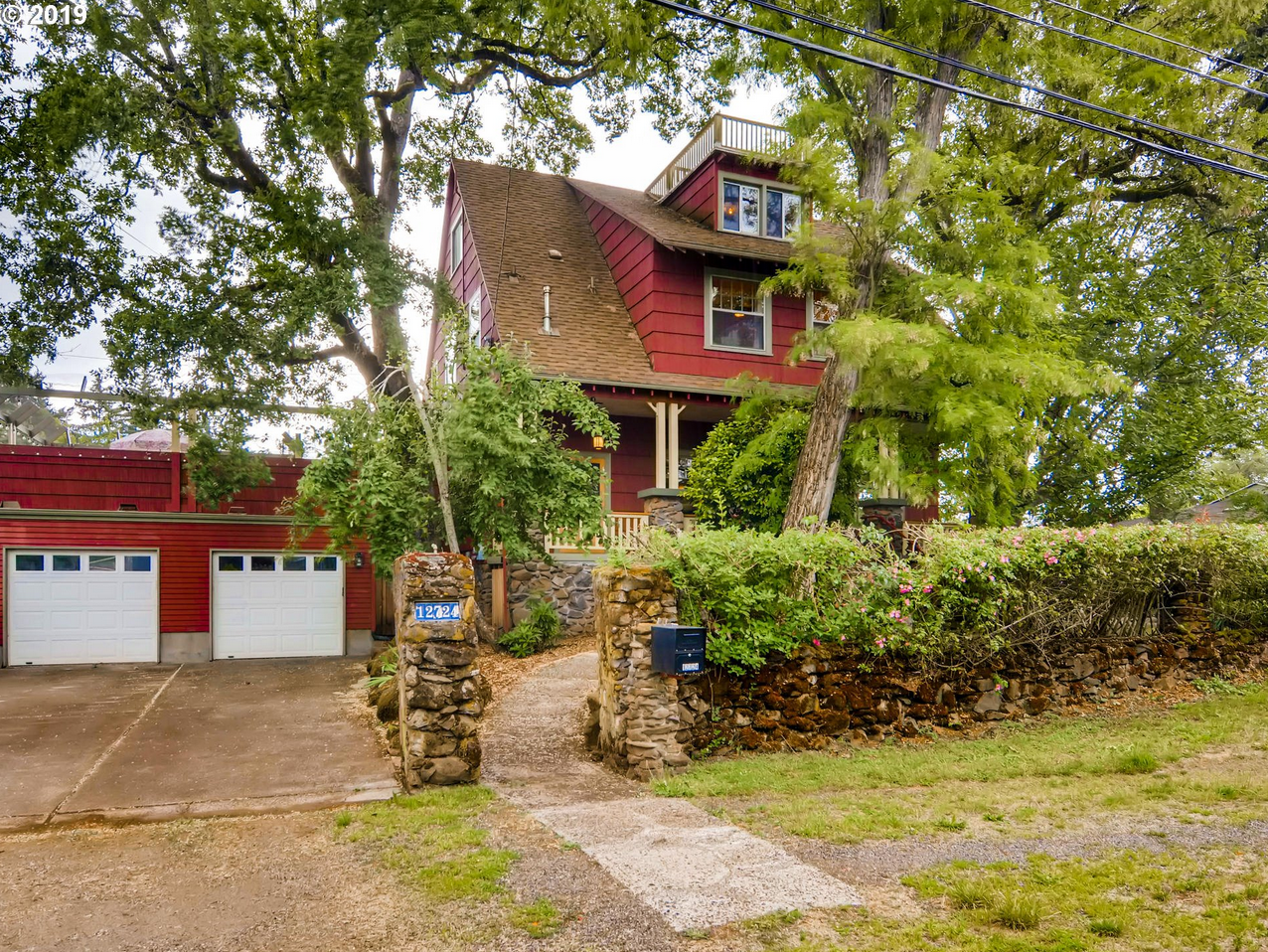
The same sticks and bricks of a house can be worth a million dollars in one location and be worth pennies in another. It struck me today when I toured an amazing, nearly 5,000 square foot home in Milwaukie. I wondered, what would this home sell for just a few miles away in Eastmoreland? And to the data I went!
The list price for the home in Milwaukie that I toured was $585,000. I am guessing it will have multiple offers and will sell closer to $600K. It was a real treasure of house with high ceilings, updated mechanicals, and amazing built-ins (including a secret speakeasy bar hidden behind a built-in bookshelf).
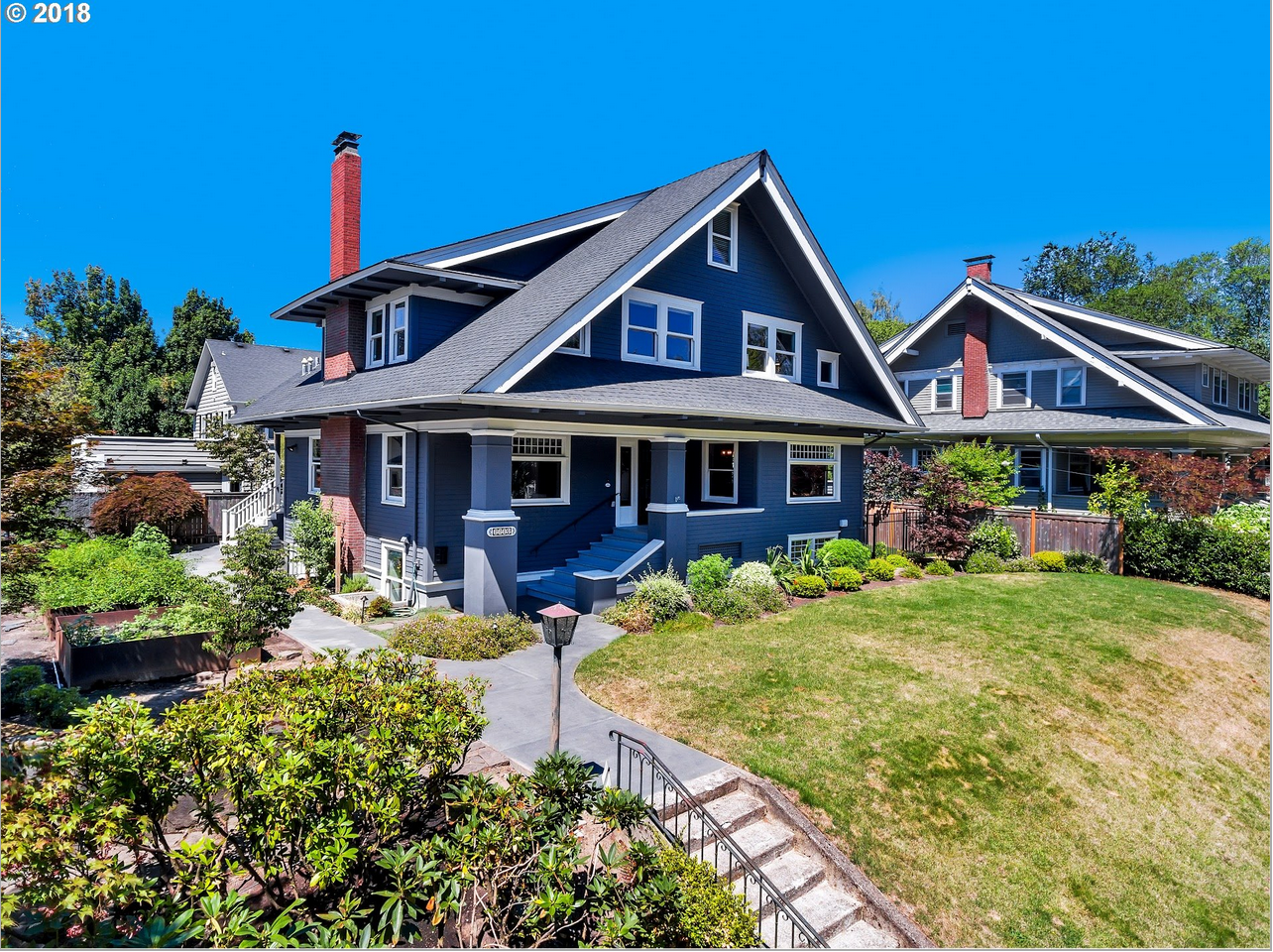
I found a recent sale in Eastmoreland that seemed pretty comparable. It was slightly larger at 5,458 square feet and was on a larger lot, but similar age and condition. Although less than four miles away, the home sold for $1.583 million. That equates to about $246K per mile!
If we continue further north to Irvington, we see a similar story. 2240 NE Tillamook, with 4,672 square feet, is smaller than the house in Milwaukie and has a larger lot, but is otherwise similar. This sold for $1,244,440. Another hefty premium, all because of location.
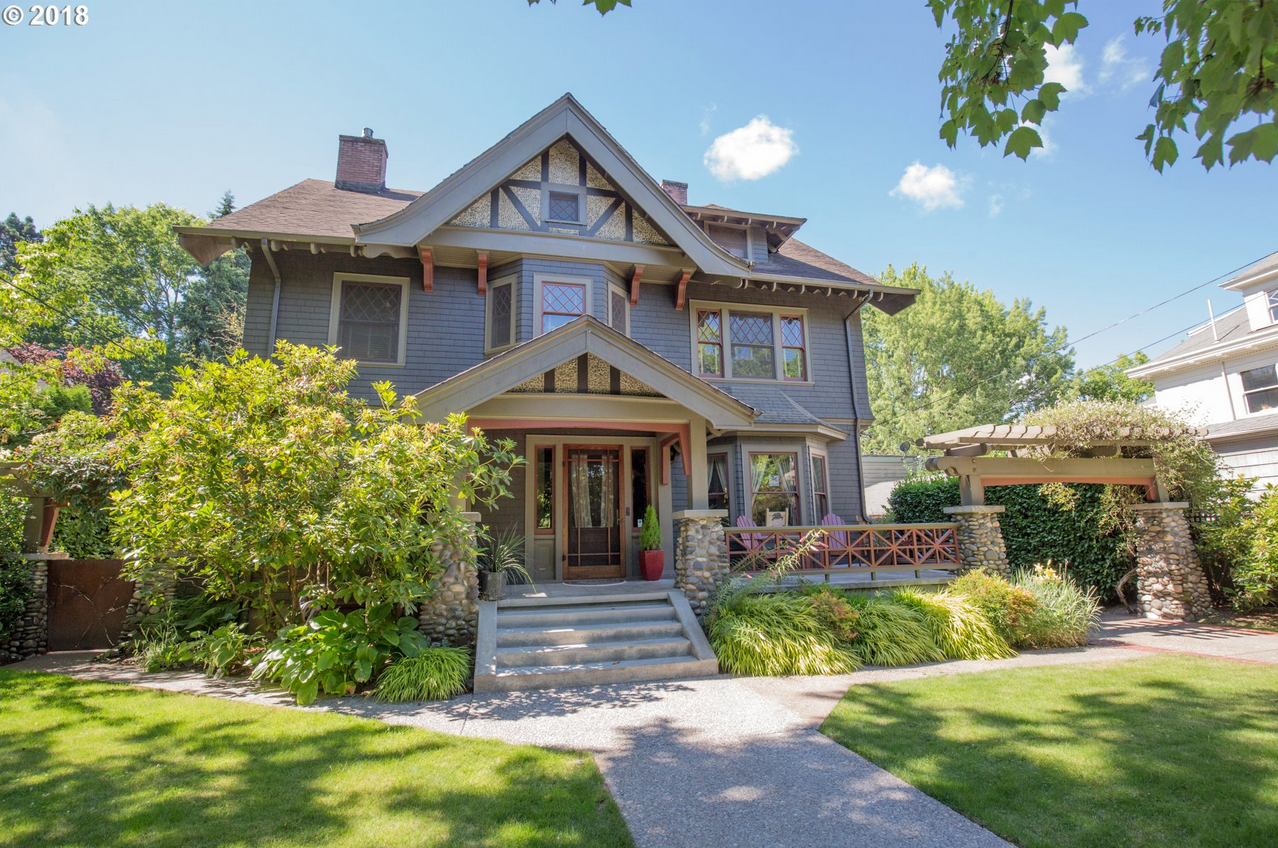
The lesson here is that location matters. With location comes amenities, schools, and access to employment centers. In other words, it remains true, the key to real estate is Location, Location, Location!
What is happening at Grant High School?

Grant High School has become THE school district on the east side. I have many buyers that will only look in this school district. I can’t say I can blame them. The school is closing in on a 300,000 square foot renovation and expansion that will completely modernize the school upon completion this fall. So next year’s freshman class is in for a treat!
Upgrades include a new gymnasium, new turf and natural fields, all new interior classrooms and offices, a restored auditorium, and all new landscaping throughout. And to top it all off, the project is targeting LEED Silver certification and a Minority-owned, Woman-owned, or Emerging Small Business (MWESB) participation goal of 40%.
The school district is a significant driver of home values. Even if a person doesn’t have children in a school, they should be invested in their local schools because this will directly affect the value of their home. In the words of the Beach Boys, “be true to your school!”
Give us a call today if you are considering buying or selling in the Grant Park area!
Let me introduce you to Brooklyn!
Fuggetaboutit! Brooklyn is a great close-in Portland neighborhood and is often overlooked by buyers. I am speaking anecdotally here, but it is not uncommon for me to meet with a new buyer and they will insist we only look in Eastmoreland, or only look in Laurelhurst, or Ladd’s Addition, or Irvington. Rarely has any buyer said they were only interested in looking in Brooklyn. Usually, I am the person introducing them to Brooklyn!
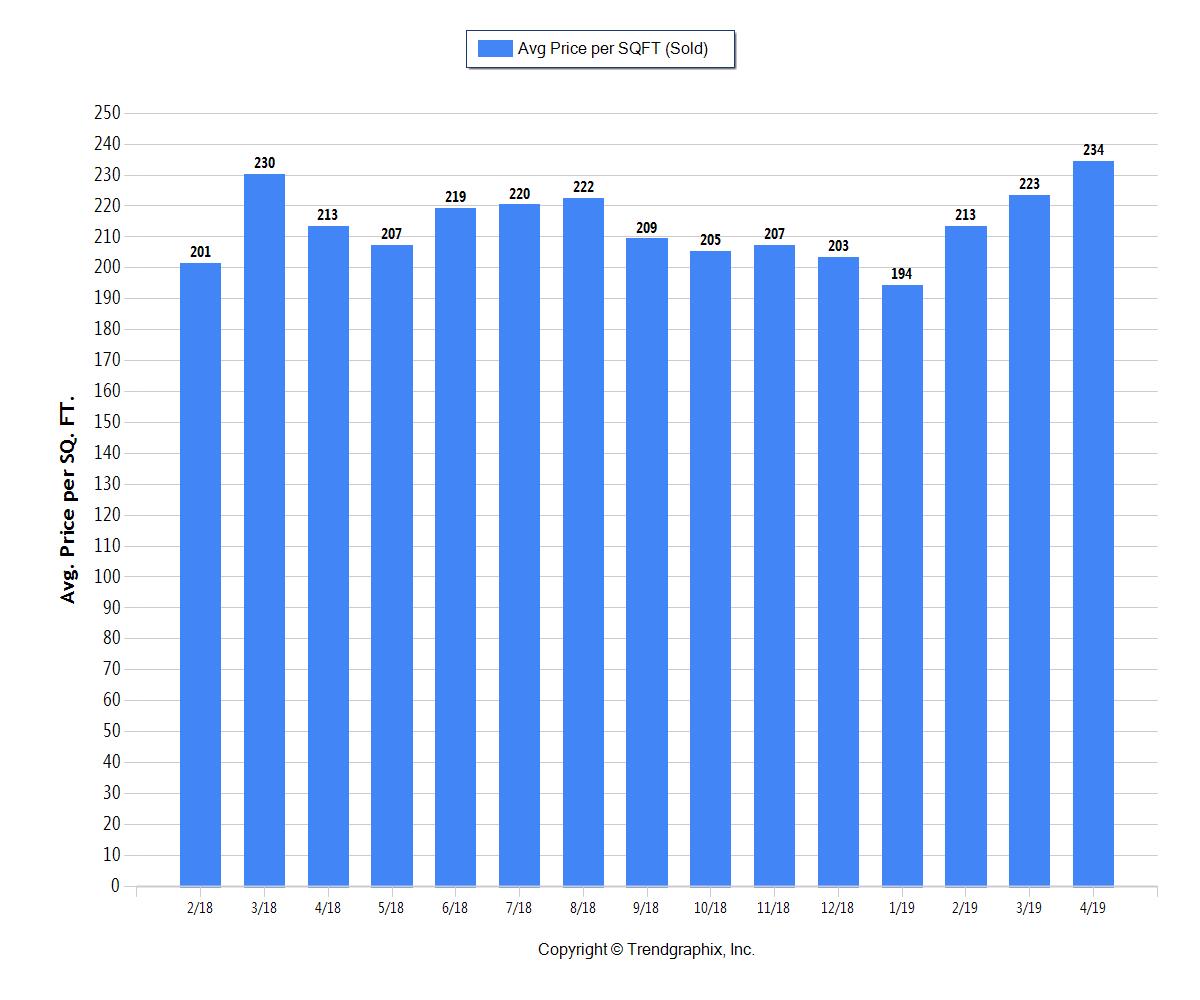
In terms of value, since it is under many buyers’ radar, a person can get a bit more bang for the buck in Brooklyn. As of this writing, there are seven active listings in the neighborhood with a median asking price of just under $500k. Over the last year, I have tracked 41 sales with a median sales price of $490,000 and an average price per square foot of $230 in the Brooklyn nieghborhood. Compare this to the rest of the zip code (which includes Eastmoreland, Sellwood, Westmoreland, and Reed) and the entire 97202 zip code averaged $269 per square foot in April of this year. In other words, Brooklyn is a bargain. See the chart below to see how prices have trended over the last year in the entire 97202 area code.
What do I like about Brooklyn? Well, within Brooklyn there is a dynamic housing stock. Everything from turn-of-the-century Victorians to classic Portland craftsmen- and foursquare-style homes, to new construction. There are also plenty of small multifamily properties as well as condos. This leads to not only a dynamic and diverse housing stock, but it also leads to a dynamic and diverse population. On top of that, there is everything a person would want for retail offerings. Pok Pok has a location in Brooklyn, and there are several bars along Milwaukie Avenue as well as one of the best music venues in town, The Alladin Theater.
If you have any questions about the neighborhoods of Southeast Portland, please reach out. I love to talk about the history of neighborhoods, the future of Portland, and most importantly, good deals! Give me a call and let’s get after it!
Feeling the Pinch in Milwaukie
Are you a buyer looking for a home in Milwaukie/Oak Grove for under $400,000? Are you feeling frustrated that homes are selling above the asking price with multiple offers? Well, you are not alone! The Milwaukie/Oak Grove market for starter homes is currently very much skewed in favor of sellers and buyers are having the darndest time getting properties under contract.
Take a look at the chart below. In the Milwaukie/Oak Grove area, for single-family homes under $400,000, the gap between the number of homes that went pending compared to the number of current listings is very telling. Properties are getting scooped up faster than sellers can list them!
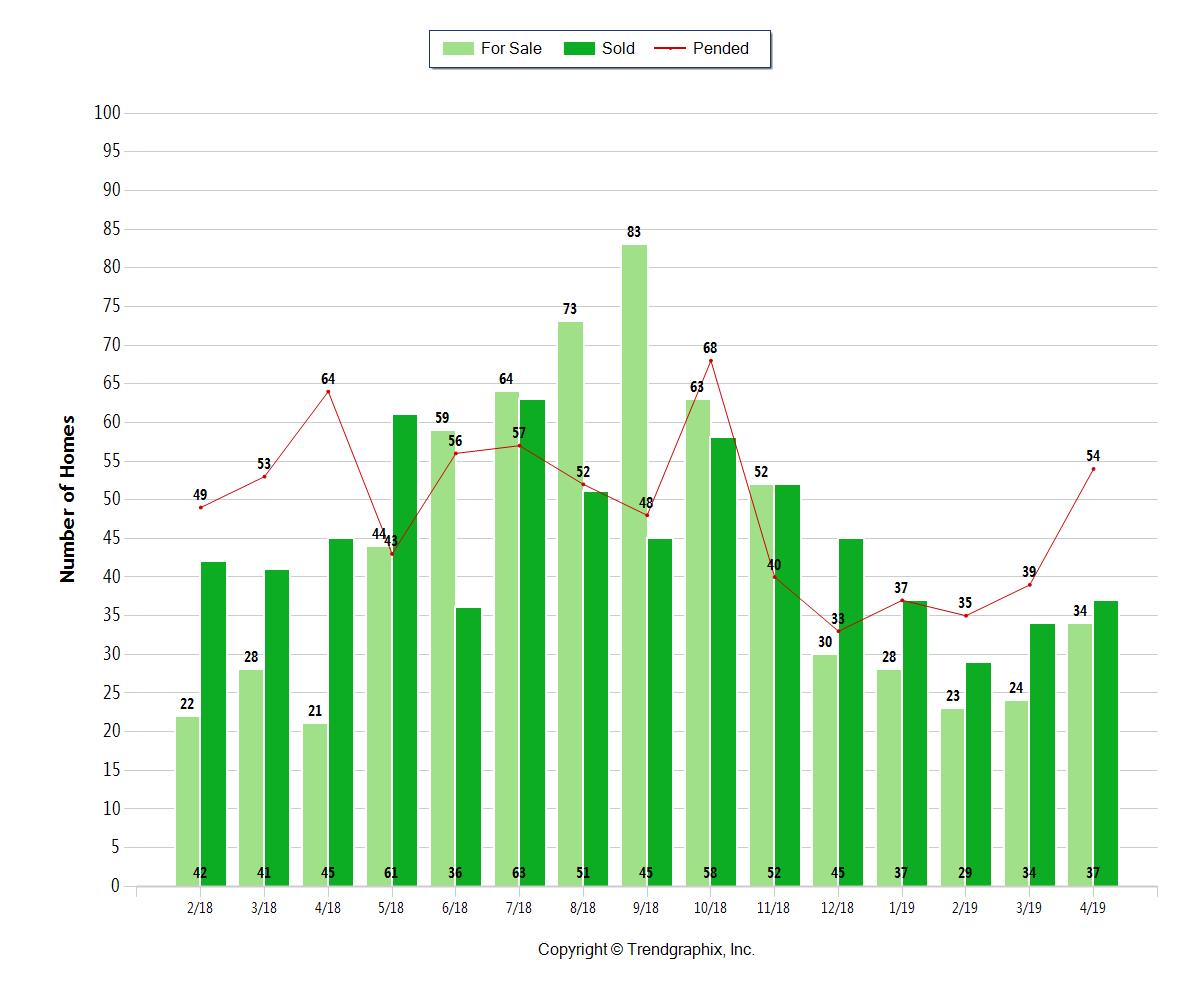
This has led to less than a month of inventory of starter homes and, based on what I am seeing in the market, there are not enough new listings in the pipeline to ease this pinch for a while. Since the below-$400,000 price point has skewed so much towards sellers, prices have continued to inch up this spring, reaching the highest average price per square foot that this sub-market has seen in over a year.
My advice to buyers is to write offers as aggressively as you can. Carmel and I have proven strategies to get offers accepted. Conversely, if you are a seller that is still in a starter home with a value around $400K or under, this could be a great time to step up to your next home. When the market is this tight, buyers are willing to give plenty of leeway if a seller needs to secure a replacement property. Call us today for more information!
Top Tips For Staging Your Home

A recent survey from the National Association of Realtors® revealed that 77 percent of buyers’ agents said staging a home makes it easier for potential buyers to visual it as their own. That’s why here at Breakthrough Broker, we believe staging is not to be overlooked! Here are our top tips.
- Dress up your yard. First impressions count, and the first one your home gives comes from the exterior. Mow the lawn, clean up shrubbery, rake any leaves, clean the walkway and driveway, plant in-season flowers, and pull up any unsightly weeds.
- Reduce personal items. Make it easier for buyers to imagine themselves making your house their home by removing personal photos and knick-knacks from shelves, walls, and counters. Instead replace them with clean, simple décor, such as abstract paintings, nature images, vases, plants, and more.
- Organize your storage areas. Storage is a huge selling point. Tidy up and clear out the accessible closets and cupboards in the home and make sure to point them out during an open house or showing.
- Appeal to the senses. Consider ways you can appeal to potential homebuyers’ other senses. During a viewing or open house, bake some fresh cookies or burn delicious smelling candles and play light, relaxing music in the background.
- Consider turning to an expert. With their knowledge of current trends and great eye for design, professionally certified stagers can transform a home in a variety of ways and have a keen sense of what homebuyers want and expect in a home. Investing in hiring a pro may pay off in dividends.

Is Rent Control on the Horizon?
After the election in November it has become clear that the state-wide ban on rent control will likely be overturned in Oregon. For landlords, just the words “rent control” strikes fear through their hearts. In Portland, rents are finally leveling-off and the real estate market is generally cooling. Adding rent control measures will likely add volatility to an already un-certain market. However, it is important to keep in mind that there are often new opportunities when ill-advised sweeping changes occur.
The biggest question is what will rent control look like? Based on a recent article in the Willamette Week, one aspect of proposed restrictions on the rental market include rental caps of 7% plus inflation. Rent increase restrictions will not mean a collapse of the rental market. In fact, with the market currently cooling the effects of any new laws or ordinances in regards to rent increases might not be truly felt until the next market cycle. I don’t predict rents to increase much beyond inflation anywhere in the Portland-Metro area this year. Furthermore, if you are underwriting the purchase of a rental property and you are predicting 7% rent growth over the holding period, we need to have a serious talk about your blue-sky expectations.
For small-time landlords the most expensive cost of rental property beyond property taxes is turnover. In other words, vacancy is very expensive. And if a landlord owns say, 4-6 units, a unit being vacant for a month really cuts into their bottom line. If rent control creates a situation where many units in Portland are eventually rented at below market rents, the leasehold advantage of the tenant could become so much that there is an incentive to remain in a unit. Over time, these discrepancies between actual and market rents will grow ever wider and lead to less and less vacancy, thus eliminating some significant cost/downside risk to landlords.
Is rent control good for the tenants? Yes and no. It discourages home ownership and I would predict many renters will forgo purchasing a home since they have such a good deal on their rental. But the flip side is these tenants never get on the property ladder which is one of the few ways the middle class can build real wealth and stability.
I promise to follow what is happening in Salem and congruently what is happening in Portland in regards to rent control. I think Portland rental property will remain a great investment vehicle going forward. Some investors might get spooked and reposition themselves, so I’ll be watching multifamily inventory as things progress in Salem. I don’t blame investors moving to what many would consider safer markets, but Portland will likely remain a great rental property investment with or without rent control measures.
Want to know more about the opportunities I see in the investment market this year? Give me a call or shoot me an email. I see a very clear and profitable path forward.
The Power of Leverage
Most real estate transactions are leveraged. In other words, the purchaser is using a combination of their own cash with the balance coming from a bank in the form of a mortgage. It is often overlooked how important leverage is and why it is such a critical tool to build wealth. Your dream home may be out of reach now, but with a small real estate investment today, you will be well on your way to use leverage to work your way up the property ladder.
Here is how I turned $10k into $415k in only 6 years through the power of leverage:
I purchased a side-by-side duplex in 2012. My wife and I lived in one side and rented out the other. I used an FHA loan to purchase at $362,000, so I had to come out of pocket $12,670 as a down payment. At the time I purchased, both units were rented and I didn’t move in until 60 days after we closed. By the time we moved in I was out-of-pocket about $10,000 accounting for the collected rent.
Fast forward three years. My wife and I decided it was a good time to buy a new house with a little bit more yard and a bit more square footage. Since buying the duplex, we saw a lot of appreciation and we were able to pull out about $50K in cash via a refinance. We then used that cash as the down payment to purchase the house we currently live in. Fast forward again to today and we have a total value for both properties of about $1.25MM, and we owe the bank about $835K. If we were to sell both properties, we would walk away with $415K (not accounting for Realtor commissions, closing costs, etc. Luckily I know a great Realtor!).
Through the power of leverage, I was able to take $10K and turn it into $415K in six years. Not a bad return on investment! This demonstrates why it is so important for folks to get on the property ladder and how a person can grow significant wealth through real estate. Call me today and lets put a plan together to get you on a similar fast track to wealth!
I suppose this would be a good time to share a song I wrote back when I was shopping for my duplex. Enjoy!
5 Negotiating Tactics That Kill a Sale

Negotiation is a subtle art in real estate, but skilled negotiators can usually find some common ground that satisfies all parties. On the other hand, using the wrong negotiation tactics can sink a deal pretty quickly. Here are some negotiation tactics buyers (and real estate professionals) should avoid:
- Lowball offers: Going far below market value when you make an offer damages your credibility as a buyer and can be insulting to the seller. The seller has a range in mind that they’ll accept, and if you’re not even approaching the low end of that range, they won’t even consider the offer.
- Incremental negotiations: Don’t continue to go back to the seller with small increases in your offer ($1,000 or less). The constant back-and-forth can grow tiresome and lead the seller to consider other opportunities.
- “Take it or leave it”: Try not to draw a line in the sand with your initial offer. The seller can get defensive and consider other offers if you immediately show that you’re unwilling to budge. Even if it’s true, don’t make a show of it.
- Nitpicking after inspection: Obviously if inspection reveals a major issue, it should be factored into the final sale price. But insisting on a lower price for every minor repair can put negotiations in a stalemate.
- Asking for more, more, more: Some buyers will request that the sellers throw in add-ons like furniture or appliances that weren’t included in the listing. Try to avoid giving the seller a reason to build up resentment and think that you’re being greedy.

September 2018 RMLS Market Action
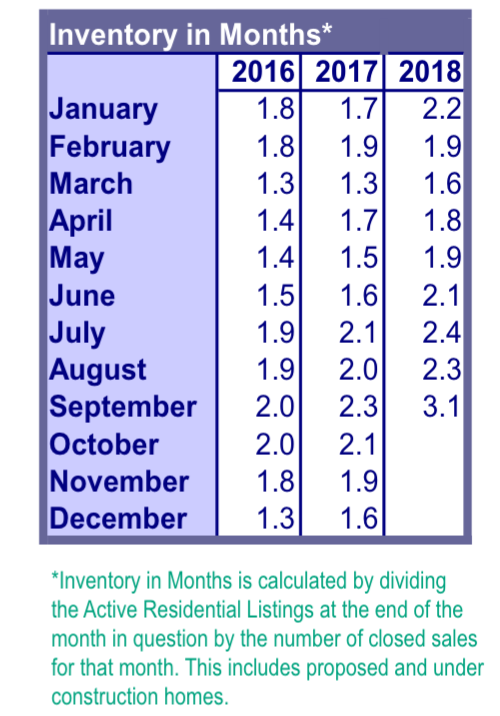
The latest Market Action report from RMLS not only showed a continuing pattern of inventory expanding, but an acceleration of it. At 3.1 months, inventory in Portland-Metro went over the 3-month mark for the first time since 2015. This was a 34 percent jump from the previous month. Some of this inventory expansion is seasonal but it has become clear that the market is not just seasonally shifting, rather it is fundamentally changing.
Now, before all the lemmings jump off a cliff keep in mind that this is not a bad sign or an indication that the market is collapsing around us. Many metrics are indicating a very healthy market. Home values are higher than they have ever been, with the median sales price increasing 6.9 percent for the last 12-months compared to the previous 12-month period.
Our message to our clients about the current market: The market remains a seller’s market. However, buyers are finally able to negotiate and there are more properties on the market for buyers to choose from. Smart sellers should not be afraid to list their property this winter. Many sellers wait until spring to list and we predict a big inventory expansion from February through May. In other words, beat the rush.
As for buyers, if you were burnt-out by the market over the last few years due multiple offer situations, having to offer well over asking price, and getting beaten-out by all-cash offers come on back into the pool, the water is just fine!