Facebook
 X
X
 Pinterest
 Copy Link
Should You Fix Your House Up or Sell Now?


With the fall season upon us, change is in the air. For many families, children are growing up and moving out of the house, maybe leaving for college or taking a jump into the working world. Parents are finding themselves as empty nesters for the first time. The question inevitably arises: is it finally time to downsize?
If you’re pondering that thought, you may also be wondering if you should fix-up your house before you sell it, or go straight to the market as-is, allowing a potential buyer to do the updates and remodeling. If you’re one of the many homeowners this camp, here are a few tips to help you decide which way to go.
1. Analyze Your Market
A real estate professional can help you to understand your market and the potential level of buyer interest and demand for your home. Are you in a seller’s market or a buyer’s market? This can change based on the price range of your home, too. A professional can also give you some insight on what you can change or remodel, and how to declutter your house to make it attractive to buyers in your area.
2. Get an Inspector
Right now, the average length of time a family stays in a home is between 9-10 years. That’s a little longer than the historical average, so if you’ve been living in your home for a while, it might be time to make some significant improvements. Think: electrical system, HVAC units, roof, siding, etc. An inspector can give you a better idea of the condition of your home, if it is up to current code standards, and recommendations on how to have your house ready before you put it on the market.
3. Decide If You Need to Remodel
You may also be thinking about driving buyer appeal with something like a kitchen or a bathroom remodel. If so, first dig into the market value of your home, and compare it to the actual cost of the remodel. A local real estate professional can help you determine your home’s market value, and you’ll want to get a few quotes from contractors on the potential remodel pricing as well. Once you have those two factors narrowed down, you can to decide if a remodel will give you a return on your investment when you sell. Oftentimes, it is actually more advantageous to price your house to sell, list it competitively, and then let the buyer pick the colors they want for their bathroom tiles and the type of countertop they prefer. The 2019 Cost vs. Value Report in Remodeling Magazine compares the average cost for remodeling projects with the value those projects typically retain at resale.
Bottom Line
Nationwide, inventory is low, meaning there is less than the 6-month housing supply needed for a normal market. This drives buyer demand, creating a perfect time to sell. If you’re considering selling your house, let’s get together to help you confidently determine what will be the best choice for you and your family.
3 Powerful Reasons to Buy a Home Now


Whether you are a first-time buyer or looking to move up to the home of your dreams, now is a great time to purchase a home. Here are three major reasons to buy today.
1. Affordability
Many people focus solely on price when talking about home affordability. Since home prices have appreciated throughout the past year, they assume homes are less affordable. However, affordability is determined by three components:
- Price
- Wages
- Mortgage Interest Rate
Prices are up, but so are wages – and interest rates have recently dropped dramatically (see #2 below). As a result, the National Association of Realtors’ (NAR) latest Affordability Index report revealed that homes are MORE affordable throughout the country today than they were a year ago.
“All four regions saw an increase in affordability from a year ago. The South had the biggest gain in affordability of 6.9%, followed by the West with a gain of 6.0%. The Midwest had an increase of 5.8%, followed by the Northeast with the smallest gain of 1.8%.”
2. Mortgage Interest Rates
Mortgage rates have dropped almost a full point after heading toward 5% last fall and early winter. Currently, they are below 4%.
 Additionally, Fannie Mae recently predicted the average rate for a 30-year fixed mortgage will be 3.7% in the second half of 2019. That compares to a 4.4% average rate in the first quarter and 4% in the second quarter.
With mortgage rates remaining near historic lows, Fannie Mae and others have increased their forecasts for housing appreciation for the rest of the year. If home price gains are about to re-accelerate, buying now rather than later makes financial sense.
3. Increase Family Wealth
Homeownership has always been recognized as a sensational way to build long-term family wealth. A new report by ATTOM Data Solutions reveals:
“U.S. homeowners who sold in the second quarter of 2019 realized an average home price gain since purchase of $67,500, up from an average gain of $57,706 in Q1 2019 and up from an average gain of $60,100 in Q2 2018. The average home seller gain of $67,500 in Q2 2019 represented an average 33.9 percent return as a percentage of original purchase price.”
The longer you delay purchasing a home, the longer you are waiting to put the power of home equity to work for you.
Bottom Line
With affordability increasing, mortgage rates decreasing, and home values about to re-accelerate, it may be time to make a move. Let’s get together to determine if buying now makes sense for your family.
Experts Predict a Strong Housing Market for the Rest of 2019


We’re in the back half of the year, and with a decline in interest rates as well as home price and wage appreciation, many are wondering what the predictions are for the remainder of 2019.
Here’s what some of the experts have to say:
Ralph McLaughlin, Deputy Chief Economist for CoreLogic
“We see the cooldown flattening or even reversing course in the coming months and expect the housing market to continue coming into balance. In the meantime, buyers are likely claiming some ground from what has been seller’s territory over the past few years. If mortgage rates stay low, wages continue to grow, and inventory picks up, we can expect the U.S. housing market to further stabilize throughout the remainder of the year.”
Lawrence Yun, Chief Economist at NAR
“We expect the second half of year will be notably better than the first half in terms of home sales, mainly because of lower mortgage rates.”
“The drop in mortgage rates continues to stimulate the real estate market and the economy. Home purchase demand is up five percent from a year ago and has noticeably strengthened since the early summer months…The benefit of lower mortgage rates is not only shoring up home sales, but also providing support to homeowner balance sheets via higher monthly cash flow and steadily rising home equity.”
Bottom Line
The housing market will be strong for the rest of 2019. If you’d like to know more about our specific market, let’s get together to discuss what’s happening in our area.
Why All the Chicken Littles Should Calm Down


The U.S. Census Bureau recently released their 2019 Q2 Homeownership Report. Some began to see the sky falling, believing the report showed Americans may be stepping back from their belief in homeownership.
The national homeownership rate (Americans who owned vs. rented their primary residence) increased significantly during the housing boom, reaching its peak of 69.2% in 2004. The Census Bureau reported that the second quarter of 2019 ended with a homeownership rate of 64.1%, which is down from the 64.8% rate for the fourth quarter of 2018. Based on this news, some started to question the consumer’s belief in the idea of homeownership as a major part of the American Dream.
Everyone Calm Down…
It is true the homeownership rate did fall. However, if you look at the national rate over the last 35 years (1984-2019), you can see that the current homeownership rate has returned to historical norms. The 64.1% rate is equivalent to the rates in 1984 and 1994.
What Will the Future Bring?
Part of the reason the homeownership rate slipped is a lack of inventory available for purchase for first-time home buyers. The demand is there, but currently, the supply is not. It seems, however, that is about to change.
In a recent report, Ivy Zelman explained that builders have finally started to increase the number of homes they’re constructing at the lower-end price points:
“Robust growth in the entry-level price point of late should translate to a reacceleration in homeownership rates moving forward.”
Bottom Line
Today, the homeownership rate sits at historic norms. In all probability, it will increase as more inventory becomes available. There is no reason for concern.
Why Now Is the Perfect Time to Sell Your House
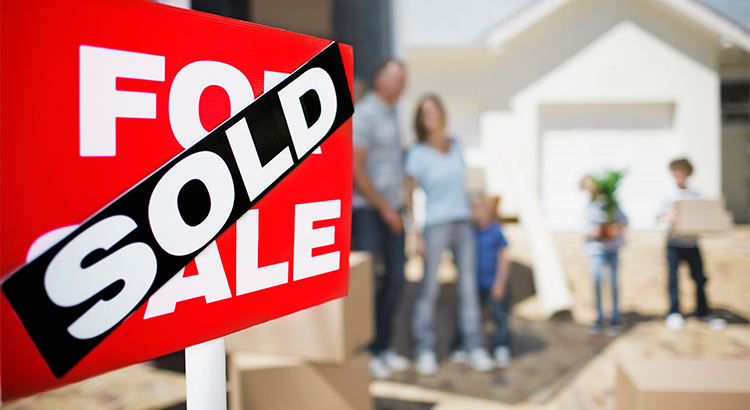
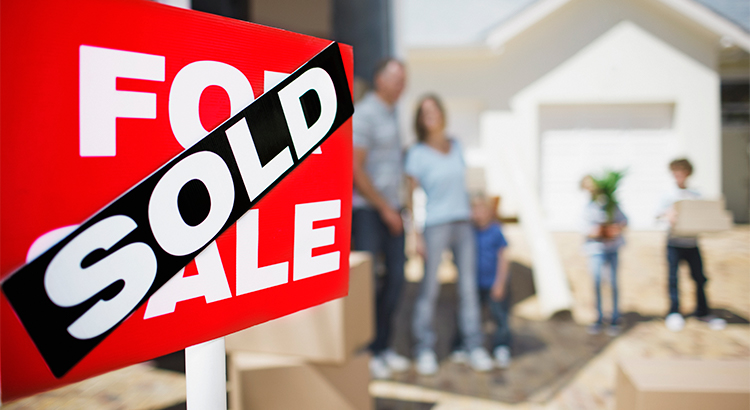
As a homeowner, it’s always tempting to dream about the next big project you’re going to tackle. The possibilities are endless. Should I renovate? Should I refinance? Should I stay? Should I move? The list goes on and on.
In today’s housing market, it’s actually a great time to shift your thoughts toward selling your house and moving up into the home of your dreams. Here’s why:
Inventory is on the rise, but there’s still an overall shortage of houses for sale (less than a 6-month supply found in a more normal market), so homes are going under contract quickly. In fact, the National Association of Realtors (NAR) Realtors® Confidence Index Survey reports that right now homes are only staying on the market for an average of 27 days. That’s less than one month, an even more accelerated pace from the 36-day trend we saw last spring. The same report also indicates there are more interested buyers than active sellers today, which is one of the big factors driving home prices higher.
 This power combination provides an ideal environment for sellers aiming to close a quick sale and earn a big return as we wrap up the summer season.
Bottom Line
There’s still time to make a move before the school year starts and the fall weather sets in. Maybe it’s time to make a change. Let’s get together to determine if selling now is the right decision for your family.
Should I Refinance My Home?


With the recent lower interest rates, many homeowners are wondering if they should refinance.
To decide if refinancing is the best option for your family, start by asking yourself these questions:
Why do you want to refinance?
There are many reasons to refinance, but here are three of the most common ones:
- Lower your interest rate and payment – This is the most popular reason. If you have a 5% interest rate or higher, it might be worth seeing if you can take advantage of the current lower interest rates, hovering below 4%, to reduce your monthly payment and overall cost of the loan.
- Shorten the term of your loan – If you have a 30-year loan, it may be advantageous to change it to a 15 or 20-year loan to pay off your mortgage sooner.
- Cash-out refinance – With home prices increasing, you might have enough equity to cash out and invest in something else, like your children’s education, a vacation home, or a new business.
Once you know why you might want to refinance, ask yourself the next question:
How much is it going to cost?
There are fees and closing costs involved in refinancing, and Lenders Network explains:
“If you were to refinance that loan into a new loan, total closing costs will run between 2%-4% of the loan amount.”
They also explain that there are options for no-cost refinance loans, but be on the lookout:
“A no-cost refinance loan is when the lender pays the closing costs for the borrower. However, you should be aware that the lender makes up this money from other aspects of the mortgage. Usually pay charging a slightly higher interest rate so they can make the money back.”
If you’re comfortable with the costs of refinancing, then ask yourself one more question:
Is it worth it?
To answer this one, we’ll use an example. Let’s assume you have a $200,000 home loan. A 4% refinance cost will be $10,000. If you want to lower your interest rate from 6% to 4%, then refinancing is going to save you $244 per month. To break even ($10,000/$244), you need to continue owning your home for over 40 months.
Now that you know how the math shakes out, think about how much longer you’d like to own your current home. If you plan to stay for more than 3 years, then maybe it is advantageous for you to refinance.
If, however, your current home does not fulfill your present needs, you might want to consider using your potential refinance costs for a down payment on a new move-up home. You will still get a lower interest rate than the one you have on your current house, and with the equity you’ve already built, you can finally purchase the home of your dreams.
Bottom Line
There are many opportunities for growth in the current real estate market. To find out what’s right for your family, let’s get together to help you understand your options and guide you toward the best decision.
Get Your Mod On!
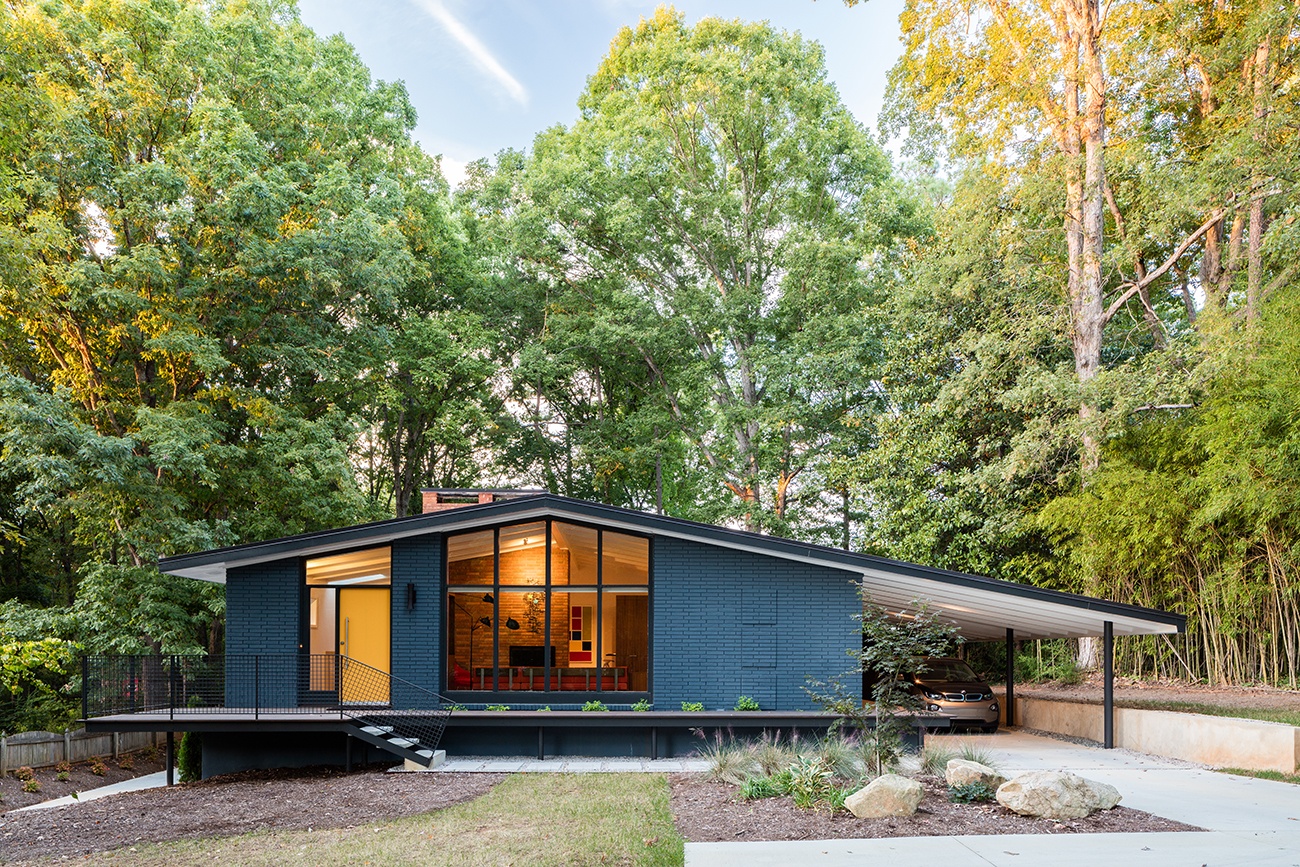
Everyone loves a mid-century modern home. One could even say it is one of the more desirable architectural styles in Portland. Just the word “Rummer” makes well-to-do Portland folks start to quiver with excitement. Sleek lines, abundant light, non-traditional materials – gosh, just writing about it makes me a little hot under the collar. Mid-Century Modern homes are, to say it simply, super steamy.
This style of home came about in the post-Wold War II era and were built between about 1940 and the 1960s. During this period, the economy was doing well, the population was expanding, and there was a lot of folks moving out to the suburbs. Many of these new suburbanites desired a more modern design, with more light and modern building techniques and materials.
What are the benefits of living in a home that is in the mid-century modern style? For one, the layouts are extremely efficient. Plus, in Portland, many contain basements with high ceilings offering additional living area as well as storage. The windows are big, so there is abundant light, and typically they are single-level, which is great for folks of all ages. Despite all the bad lip service we get about rain, Portland is a very template climate which is perfect for mid-century modern design.
If you are interested in what mid-century modern homes are on the market where you want to live, please don’t hesitate to reach out. I would love to take you on a tour!
What a Difference a Year Makes for Sellers


Over the last few years, many sellers have been hesitant to put their houses on the market because they feared not being able to find another home to buy.
We’ve reported on inventory shortages in the past, and it’s been a constant concern for potential buyers throughout recent years. New research shows the inventory concern is starting to decrease among potential buyers.
According to First American, the two leading obstacles to homeownership that buyers feel today are Affordability and Limited Inventory. This means the feeling that homes are less affordable has risen, while the fear of limited inventory has decreased, delivering a wealth of good news for sellers. At the same time, over the past 12 months, we’ve seen a steady month-over-month increase in the number of homes coming to market for purchase. In the past, the lack of listings and available inventory slowed down the real estate market. This recent increase in current inventory has many buyers and sellers now thinking it is time to make their move – and rightfully so! For the last two months, we’ve seen over 4 months of inventory become available for sale, a promising number that’s been slowly increasing this year and creating more buying opportunities.
 To further support the idea of an improving real estate market, Sam Khater, the Chief Economist at Freddie Mac says,
“…In the near-term, we expect the housing market to continue to improve from both a sales and price perspective.”
Many experts, like Sam, believe the second half of 2019 will drive a stronger market than we saw at the beginning of the year. This is great news for homeowners who have put off getting their houses on the market and are now ready to make a move.
Bottom Line
What a difference we’ve seen over the course of this year! If you’re thinking of selling, now is the time as inventory is on the rise.
Do You Even Highest and Best Use, Bro?

When I first begin an analysis on a property’s market value, step one is to determine “Highest and Best Use”. Without doing this first critical step, an agent’s opinion of value could be way off the mark.
Highest and Best use is defined as:
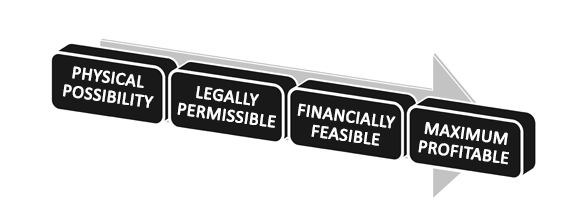
The reasonably probable and legal use of vacant land or an improved property, which is physically possible, appropriately supported, financially feasible, and that results in the highest value.
In essence, it means a use yields the highest residual value. In estimating the highest and best use of a property, there are essentially four stages of analysis: the use must be (1) physically possible; (2) legally permissible; (3) financially feasible; and (4) maximally productive, resulting in the highest residual land value.
Is the land more valuable than the improvements? Will a residential tenant pay a higher rent than a commercial tenant? Is the time and cost of subdividing a lot and building multiple homes higher than renovating an existing home?
I have seen agents who had provided an opinion of value for a house when in reality the highest and best use was to demolish the house and build anew. It can get tricky, especially in Portland where landlord-tenant laws have made renting more costly and zoning overlays and historic districts can make it difficult to determine exactly what the city would allow to be built.
However, most of the time determining Highest and Best Use is easy. Take a look around the subject property and see what everyone else is doing. That is a pretty good indication of what use will provide the highest return on investment.
Is Your First Home Now Within Your Grasp?
![Is Your First Home Now Within Your Grasp? [INFOGRAPHIC] | MyKCM](https://www.silerandking.com/files/2019/07/FTHB-Demographics-ENG-MEM.jpg)
![Is Your First Home Now Within Your Grasp? [INFOGRAPHIC] | MyKCM](https://files.mykcm.com/2019/06/24131009/FTHB-Demographics-ENG-MEM-1046x1477.jpg)
Some Highlights:
- According to the US Census Bureau, “millennials” are defined as 18-36-year-olds.
- According to NAR’s latest Profile of Home Buyers & Sellers, the median age of all first-time home buyers is 32.
- More and more “old millennials” (25-36) are realizing that homeownership is within their grasp now!